
The craft behind the transfer
Professional sound,
careful preservation.
A language recording holds a voice, a history and a relationship. My work brings more than 20 years in professional sound to the careful transfer and stewardship of those recordings.
Film sound, ADR recording, sound effects, voice recording and audio post-production have taught me to listen closely, understand the whole signal path and document the decisions that shape a recording.

Experience
20+ years
Professional recording, film sound and audio post-production.
Recognition
Emmy Award
An award in production sound, alongside work in broadcast and interactive audio.
Collection care
En’owkin Centre
Digitization and Indigenous language collection work since 2020.
From source to digital record
Every stage of the signal flow matters.
The signal chain is the route from the recording’s physical carrier through the playback equipment and analog-to-digital converter into a digital file. A problem at an early stage can become part of every copy that follows, so I treat playback, levels, capture and listening checks as one connected process.
01 / Source
Assess & prepare
Identify the format, tape condition, playback speed and track configuration; agree on collection priorities, permissions and handling needs.
02 / Playback
Set up playback
Use format-appropriate playback equipment, a maintained tape path and the correct output and input connections. Check channel routing and listen for playback problems.
03 / Conversion
Match levels & capture
Route the playback signal to the appropriate interface input and converter, then record in the digital audio workstation with enough headroom for the source’s loudest passages.
04 / Digital record
Check & document
Review the capture, record technical settings and source information, retain the unprocessed preservation master and create clearly identified working or access copies.
Gain staging protects the voice.
Gain staging means controlling signal level at each point in the chain. The goal is a clean, faithful capture with room for peaks, without overloading the playback output, input electronics or converter.
- Match the connection to the source. A tape machine’s line output and a microphone signal need different input treatment; adding unnecessary gain can add noise or overload a stage.
- Keep headroom through the whole chain. I check the loudest passages and listen as well as watch meters. A safe digital meter reading does not undo distortion introduced earlier in the analog path.
- Monitor what is being recorded. Channel balance, hum, dropouts, speed and intelligibility all matter. Capture settings, bit depth and sample rate are recorded for the project.
- Use professional studio tools with a clear purpose. My studio includes a Neumann MT48 interface, Ferrofish Pulse 8 and Pro Tools, supporting careful recording, routing, monitoring and multichannel work. You can also record podcasts in my own studio or work with me on narration and full-length audiobooks for Audible.
WHY TALKING OWL
Professional equipment, experienced ears and more than 20 years of working with sound.
I bring the same attention to a language recording or archival transfer that I bring to film sound and voice sessions: a clean signal path, careful listening and an understanding of how each technical choice affects the voice.
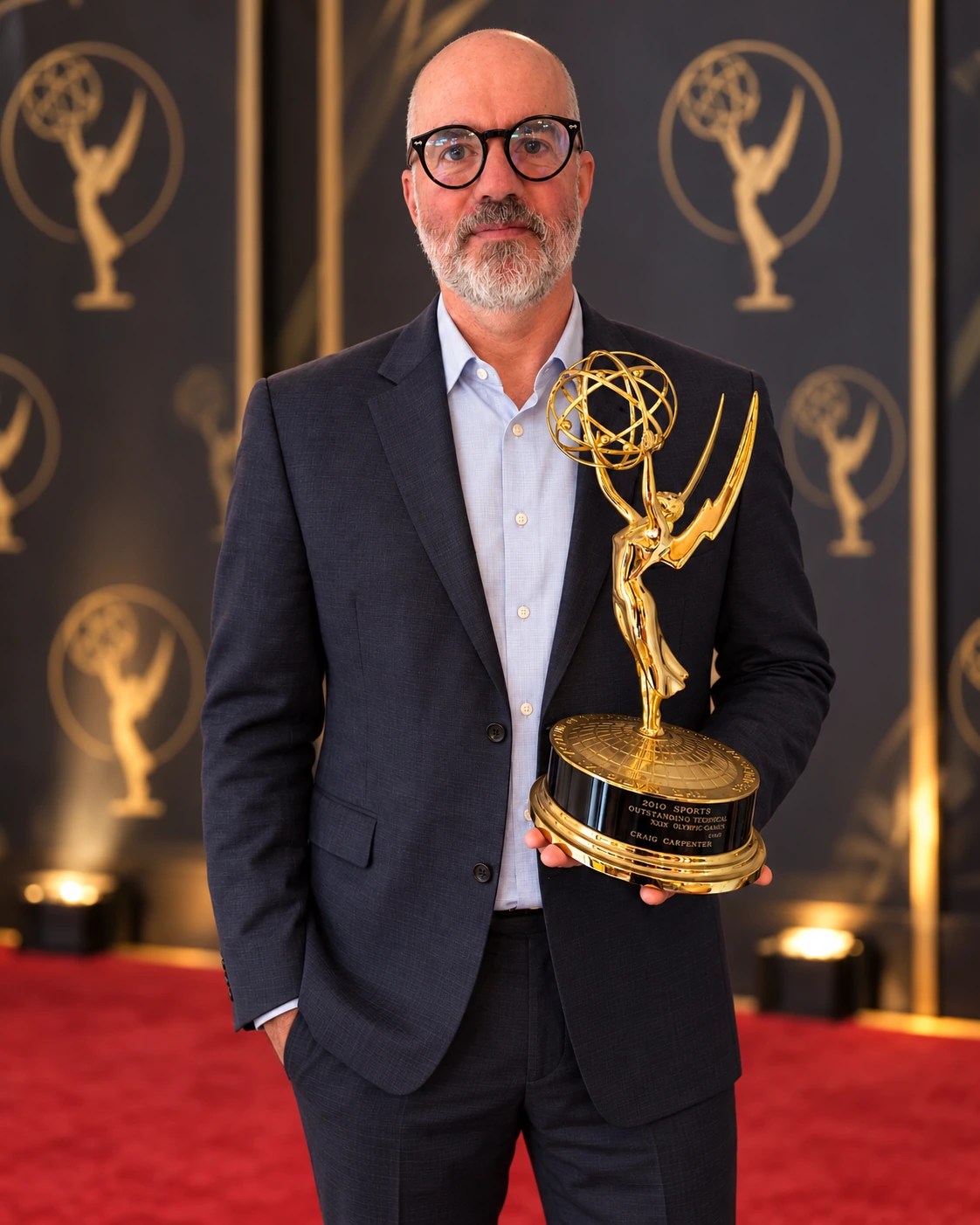
Professional sound experience is the foundation of TalkingOwl’s collection work.
Sound Devices preamps & high-quality A/D conversion
I use Sound Devices products, including the MixPre-6 II, as part of my professional recording toolkit. Sound Devices builds mixers and recorders used in professional film and television production. Its equipment is designed for the demands of recording on set, on location and in the studio.
The MixPre-6 II combines low-noise, class-A Kashmir microphone preamps with multi-stage analog-to-digital conversion and recording at up to 32-bit float and 192 kHz. Sound Devices specifies a minimum 142 dB of A/D dynamic range under its published A-weighted test conditions. In practical terms, low-noise preamps and wide dynamic range help capture subtle voice detail alongside louder passages with very little noise added by the recording electronics.
Knowing the equipment and knowing what to listen for
Years of ADR and voice recording have taught me how to place microphones, manage room sound, set levels and listen for problems throughout a session. I understand the whole signal path, including the difference between microphone and line-level sources, gain staging, headroom, routing and monitoring. I choose the input, recording format and settings to suit the source and the project, then check the captured audio by listening.
Hear my work: Storybooks Canada
I was the voice recordist for many of the stories on Storybooks Canada, a multilingual storytelling and literacy project. The project’s acknowledgements credit Craig Carpenter for recording, production and audio post-processing. Explore the stories and listen to the recordings for a sample of this work.
Restoration with a trained ear.
Restoration can make a difficult recording easier to listen to, but the recorded voice remains the reference. I work with selective editing, noise reduction and listening comparisons. I compare each treatment with the original and listen for changes to the voice as well as the background noise.
Repair
Spectral repair & editing
Tools such as iZotope RX support detailed work on clicks, hum, hiss and isolated noises. A spectrogram helps locate a problem; close listening determines whether the treatment has affected the voice.
Noise reduction
Voice-focused noise reduction
Waves Clarity VX is one example of the AI-assisted speech cleanup discussed in my restoration work. Reduction needs to be restrained enough to retain consonants, breath, texture and the context around speech.
Any restoration is made on a derivative copy, with the processing identified. The unprocessed transfer stays intact. For Indigenous language materials, decisions about processing, access and any use of external AI services belong with the community and its protocols.
Hear the difference.
Compare a reel-to-reel transfer with its processed listening copy. Listen for how the treatment changes background noise, voice detail and intelligibility.
Before restoration
After restoration
Film, ADR & the discipline of listening.
My background spans production sound, film sound design, Foley, ADR and voice recording, field recording and interactive audio. Earlier work includes NBC audio operations during Vancouver 2010, sound-effects recording for Airborne Sound, where I trained with Paul Virostek, and dialogue editing on Skate 2 for Electronic Arts.
ADR work depends on a clear, consistent voice recording, careful microphone placement, control of the room and a session that can be edited and matched. The same attention to voice, noise, levels and detail informs my digitization work.
For a community archive, that experience becomes practical care: a considered transfer, an audible review of the result, clear documentation and a usable handover to the people responsible for the collection.
Technical care supports community authority.
A good transfer is part of a larger responsibility. Preservation files, metadata, access copies and staff training should support the community’s decisions about its language materials. My approach is guided by Indigenous data sovereignty, community protocols and, in First Nations contexts, the principles of OCAP®.
Data sovereignty & community control → Services & training →
Bring your formats, collection priorities and questions to a conversation. We can identify a practical transfer and training plan together. Contact Craig.
Technical references: IASA’s digital audio preservation guidance; iZotope RX; Waves Clarity VX.

